
Water analysis
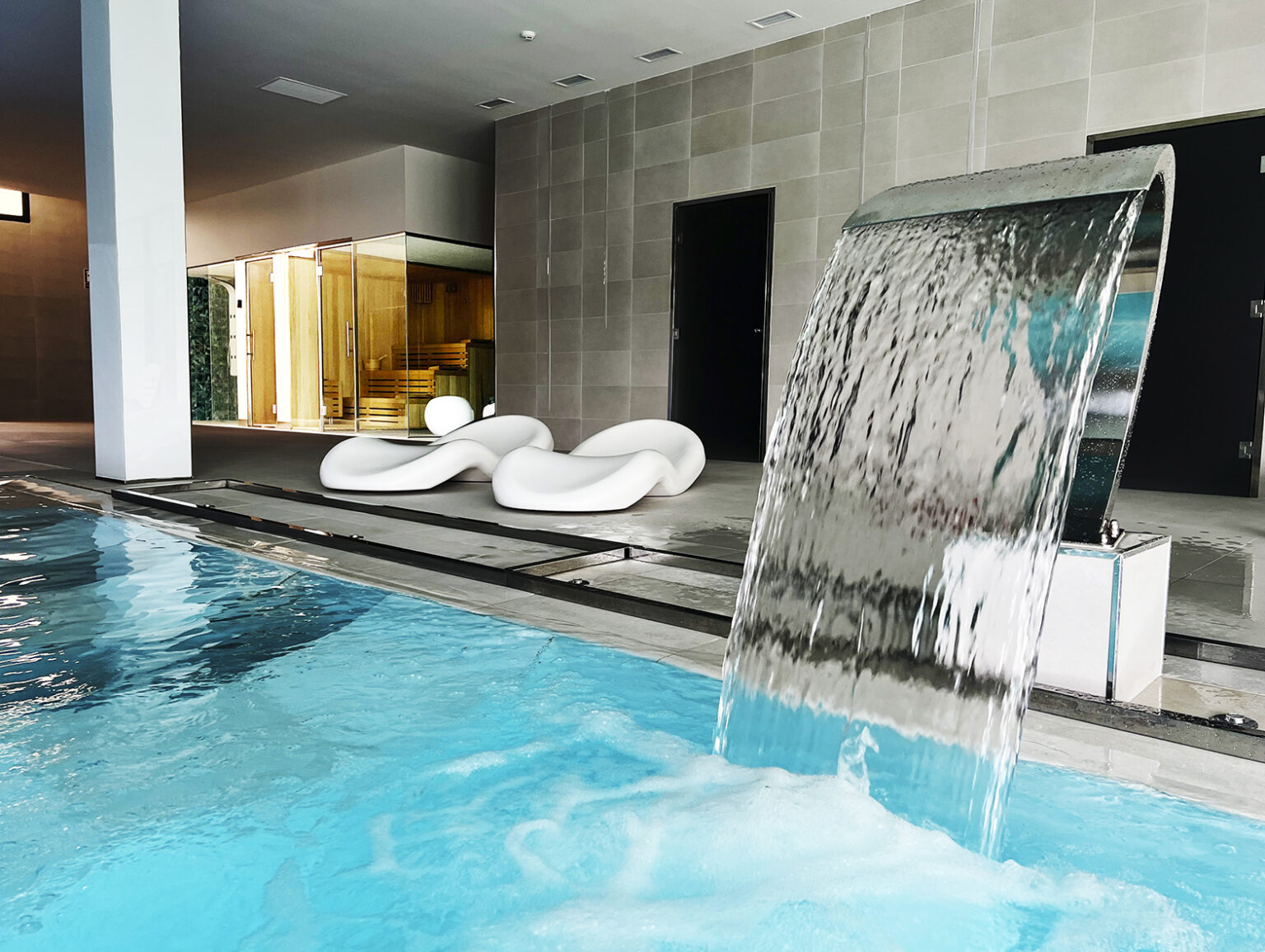
Water control in swimming pools, ensuring the health safety and quality of water in recreational facilities.
Microbiological and physico-chemical analysis, assessing parameters such as pH, conductivity, heavy metals and the presence of pathogens.
Ensuring clean and safe water is not only a legal obligation, but also a responsibility towards users. Water analysis makes it possible to:
Detect the presence of harmful bacteria, viruses or microorganisms.
Monitor chlorine levels, pH and other key chemical parameters.
Comply with local regulations, avoiding legal penalties.
Promote a safe and healthy experience in the facilities.
We offer our water analysis and laboratory services throughout Spain, provided that samples are correctly sent to our facilities.
Contact our team to learn about the sample shipping protocol.
The on-site sample collection service is available in Navarra only.
Legislation Applicable to Water Analysis
At Wessex Lab, we comply with the regulations currently in force, including:
Royal Decree 742/2013, of 27 September: regulates the technical and sanitary criteria to ensure water quality in public and private swimming pools.
Regional Decree 86/2018, of 24 October: establishes the hygienic-sanitary and safety conditions for swimming pools in the Chartered Community of Navarre.
Both legal frameworks ensure that the water meets quality standards, protecting public health.
FAQ about water analysis
What are the water quality parameters according to Royal Decree 742/2013?
The water quality indicators specified in Annex I include:
pH
Temperature
Transparency
REDOX potential
Recirculation time
Turbidity
Free residual chlorine
Combined residual chlorine
Total bromine
Isocyanuric acid
Escherichia coli (E. coli)
Pseudomonas aeruginosa
Legionella spp. (only in heated pools with aerosol generation)
The minimum frequency of periodic monitoring is at least once a month, as established in Annex III of Royal Decree 742/2013.
How and when are water quality controls carried out according to Royal Decree 742/2013?
| Controles | En agua | En aire | Frecuencia mínima | Lugar donde deben realizarse los controles |
|---|---|---|---|---|
| Inicial | Todos | Todos | 1 vez, según lo señalado en el artículo 11.2.a) | En laboratorio y en los contadores de la piscina. |
| Rutina | pH, desinfectante residual, turbidez, transparencia, temperatura, tiempo de recirculación | Todos | Al menos 1 vez por día y según lo señalado en el artículo 11.4 por la mañana antes de abrir las piscinas al público | In situ y en los contadores de la piscina. |
| Periódico | Todos | Todos | Al menos una vez al mes* y según lo señalado en el artículo 11.4 | En laboratorio y en los contadores de la piscina. |
*The operator may request a reduction in the sampling frequency of the Periodic Control from the competent authority when, after two years of self-monitoring, all values recorded in the routine control and periodic control have consistently complied with the parametric values set out in Annexes I and II.
What are the water quality parameters in the Chartered Community of Navarre according to Regional Decree 86/2018?
The parameters defined in Annex I include:
pH
Temperature
Transparency
REDOX potential
Recirculation time
Turbidity
Free residual chlorine
Combined residual chlorine
Total bromine
5,5’-dimethylhydantoin (DMH)
Isocyanuric acid
Escherichia coli
Pseudomonas aeruginosa
Legionella spp. and Legionella pneumophila (in spa pools, heated therapeutic pools with aerosols, and thermal/mineral-medicinal pools with aerosol generation)
Periodic monitoring is carried out as follows:
Every two weeks for most pool basins.
Monthly for spa pools, heated therapeutic pools, and thermal/mineral-medicinal pools.
ANNEX III of Regional Decree 86/2018: Minimum Sampling Frequency
| Controles | En agua | En aire | Frecuencia mínima | Lugar donde deben realizarse los controles |
|---|---|---|---|---|
| Inicial | Todos | Todos | Según lo establecido en el Artículo 22.2.a) | En laboratorio y en los contadores de la piscina. |
| Rutina | pH, desinfectante residual, turbidez, transparencia, temperatura, volumen de recirculación. | Todos | Diariamente, al inicio de la jornada y en el momento de máxima afluencia de personas usuarias. En los vasos climatizados con producción de aerosoles se realizará al comienzo de la jornada. | In situ y en los contadores de la piscina. |
| Periódico | Todos | Todos | Según lo establecido en el Artículo 22.2.c) | En laboratorio y en los contadores de la piscina. |
In routine analyses, and where stable chlorine products are used for disinfection, isocyanuric acid shall also be measured.
The operator may request a reduction in the sampling frequency of the Periodic Control from the competent authority when, after two years of self-monitoring, all values recorded in the routine control and periodic control have consistently complied with the parametric values set out in Annexes I and II.
Periodic Control: this shall be carried out every two weeks, or monthly in the case of spa pools, heated therapeutic pools with aerosol generation, and thermal and/or mineral-medicinal pools, in order to verify compliance with the provisions set out in Annexes I and II. The control shall be performed in accordance with what is described in Annex III.
Do you need a water analysis?
Accredited Water Analysis
Request information and ensure compliance with current regulations today.